Nuclear radiation, or what is known as nuclear medicine, is one of the important techniques in detecting and treating cancer, by giving the patient radioactive drugs in small quantities, which helps evaluate cancer cells, determine the extent of their spread, and then target them and reduce their growth.
In our following article, you will find an answer to the question: “When is nuclear radiation used for cancer?”:
When is nuclear radiation used for cancer?
After we have shown that nuclear therapy is used in diagnosing and treating cancer, the answer to the question can be detailed as follows:
Cases in which nuclear radiation is used to diagnose cancer
Doctors resort to nuclear radiation imaging when they need to obtain clear and sufficient images of tumors, cancer cells, tissues and organs inside the body. This information includes the following:
Evaluating the activity and functions of body tissues and organs.
Determine the extent of organ health and its vulnerability to disease.
Determine whether cancer cells have spread to other areas of the body.
Monitor the efficiency and success of the treatment used, and to verify that the cancer does not return again.
Note: Nuclear radiation is distinguished from other methods and means used in diagnosing cancer, in that it is able to evaluate the functions of organs, while other diagnostic methods, such as: X-rays, provide information limited to the anatomy of organs without evaluating their functions and determining their efficiency.
Cases in which nuclear radiation is used to treat cancer
Doctors recommend starting using nuclear radiation therapy in various cases as follows
Adopted alongside or after other cancer treatment options To improve the efficiency of other cancer treatment methods.
Adopting it as the primary and native treatment option if other treatment options fail.
What are the advantages of using nuclear radiation to diagnose cancer?
Nuclear radiation, when used for the purposes of diagnosing cancer, is known as nuclear imaging, nuclear scanning, or radioisotope imaging. Among the most important features of nuclear radiation imaging are the following:
A very low level of radiation is used, making allergic reactions and side effects less common.
Providing important information and details about the disease that other diagnostic methods may not be able to provide, such as evaluating organ functions.
Improving the quality of cancer diagnosis It is a good native to exploratory surgery.
Helping detect cancer in the early stages.
How is nuclear radiation used to diagnose cancer?
We will explain the details of this procedure as follows
The patient is given liquid radioactive materials orally or by injection.
These substances reach the bloodstream, and are then absorbed by cancer cells, which may take time ranging from a few seconds to several days.
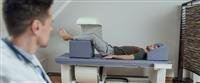
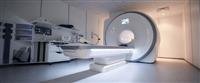
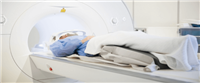
The patient is asked to lie on the bed, and then a SPECT scan or PET scan is used to take pictures of body positions from different angles.
The device sends information to the computer to three-dimensional (3D) images in clear colors.
The images are analyzed and reviewed by the patient''s physician and a radiologist.
What are the types of nuclear radiation to treat cancer?
We have shown that nuclear radiation therapy is often used alongside other treatment options. Learn about these types and benefits as follows:
Lutetium PSMA therapy: This treatment method is used in cases of advanced prostate cancer. It is based on the use of a radioactive substance known as lutetium, which targets the PSMA protein found on the surface of cancer cells in the prostate and destroys them. In addition, if this protein molecule is widespread in It also targets other places in the body, making it an effective treatment option in destroying cancer cells without affecting the rest of the body.
Radioactive iodine therapy: This option is used to treat thyroid cancer and cancer cells that have spread to the lymph nodes and other areas of the body. It is based on the principle of targeting cancer cells in the gland without harming the rest of the body’s tissues.
How is nuclear radiation therapy performed?
We will explain the details of this procedure as follows
Before starting nuclear radiotherapy, the doctor requests a set of blood tests and diagnostic tests, in addition to adjusting the doses of medications.
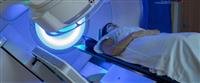
The patient begins to undergo doses of nuclear radiation therapy, and the treatment may require undergoing four doses, separated by 8 weeks between each dose.
The doctor prescribes some medications to control the side effects of treatment, including anti-nausea medications and solutions to protect the kidneys.