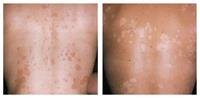
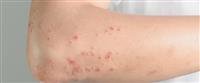
There are several types of allergies that cause itching and redness in the skin, such as urticaria. Learn about them in this article:
You may suffer from an allergic reaction to certain triggers, leading to what is called urticaria allergy. What is urticaria? What are the symptoms of urticaria? What are the possible treatments for it?
Follow the article to learn more about this allergy
What is urticaria?
Urticaria, hives, or urticaria is known as a red rash that occurs as a result of an allergic reaction, where the body releases histamine, which causes itching and redness in the skin.
Affecting about 20% of people at some time in their lives, it occurs when the body reacts to an allergen and releases histamine and other chemicals beneath the surface of the skin.
Causes of allergic urticaria
There are many causes that lead to allergic urticaria, including
Some medications, such as some antibiotics and some non-steroidal anti-inflammatory drugs such as: aspirin, and angiotensin-converting enzyme (ACE) inhibitors used for high blood pressure.
Some types of foods, such as: nuts, shellfish, eggs, strawberries, and wheat products.
Infectious diseases, such as: influenza, colds, glandular fever, and hepatitis B.
Bacterial infections including urinary tract and throat infections.
Intestinal parasites.
High body temperature.
Pet hair, such as dog, cat, and horse hair.
Dust mites.
Cockroaches and their pings.
Insect bites.
Some chronic diseases, such as: thyroid disease or lupus.
Exposure to sunlight.
Symptoms of urticaria
After learning what is urticaria? What are its most important causes? You must now know the symptoms associated with this type of allergy.
The swellings associated with urticaria begin to appear as a rash, and are usually red or pink in color with an oval or round shape.
These swellings are often found on the face or extremities, including the arms, hands, fingers, legs, and feet, and disappear within 24 hours, but they may recur and appear on only one part of the body or on multiple parts.
Symptoms of allergic urticaria
Urticaria allergies sometimes lead to anaphylaxis, which causes severe breathing difficulties and loss of consciousness.
It is necessary to seek immediate medical attention if there is
Vomiting and nausea.
Swelling of the lining of the mouth, tongue, lips and throat causing difficulty breathing.
Feeling very cold.
Rapid heartbeat.
Weakness or dizziness.
A sudden feeling of extreme anxiety.
Diagnostic methods for urticaria
If your urticaria allergy persists for more than 6 weeks, experts may recommend allergy testing at this point.
The following tests can check for underlying health conditions
Blood test to check for anemia.
Stool sample to determine the presence of any parasites.
Erythrocyte sedimentation rate test, to determine immune system problems.
Thyroid function test to evaluate hyperthyroidism.
Liver function tests to detect liver problems.
Therapeutic methods
Allergic urticaria is usually treated with antihistamines, but you may have a chronic condition for which medications are not working.
Here are some other possible treatments
1. Non-chronic urticaria
Patients with angioedema may need to see an allergist or immunologist, as it can cause serious breathing difficulties.
If symptoms of urticaria include swelling of the tongue or lips, or if breathing becomes difficult, the doctor may prescribe an epinephrine injection.
2. Chronic urticaria
It can cause long-term discomfort and sometimes complications may occur, so the doctor advises treatment through acupuncture to relieve the symptoms of urticaria.
Chronic urticaria causes discomfort, distress, and possibly depression, so patients with symptoms of depression should talk to their doctor.