What is appendicitis?
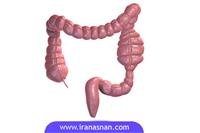
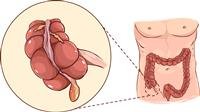
Your appendix is a small finger-shaped hollow tube on the end of your large intestine. Appendicitis is an inflammation that causes your appendix to swell and become infected.
Appendicitis is a common problem
Common symptoms are belly pain, feeling sick to your stomach, and fever
Doctors treat appendicitis with surgery and antibiotics
If appendicitis isn''t treated, your appendix can burst (rupture). This causes an infection in your belly called peritonitis. Peritonitis can be life-threatening.
What causes appendicitis?
Appendicitis is usually caused when something, such as a tiny piece of hard stool (poop), blocks your appendix. The blockage causes infection and swelling.
What are the symptoms of appendicitis?
Symptoms of appendicitis include
Pain that starts in the middle part of your upper belly area and shifts to your right lower belly
Pain that gradually gets worse over a day or two
More pain when you move or cough or when someone presses on the sore spot
Loss of appetite
Feeling sick to your stomach and throwing up
Sometimes fever of 100° to 101° F (37.7° to 38.3° C)
In many people and in babies and children
Pain may be all over the belly, not just the lower right
In older people and in pregnant women
Pain may be less severe and the belly area less tender
If your appendix bursts
You may have less pain for several hours
Then, pain becomes severe
The infection can spread inside your belly (a condition called peritonitis)
The infection can spread to your bloodstream causing some of your organs to stop working normally (sepsis) and your blood pressure to become dangerously low (septic shock)