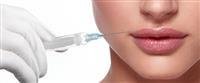

Botox is a drug made from a neurotoxin produced by the bacterium Clostridium botulinum called botulinum toxin. It is used medically to treat certain muscular conditions and cosmetically remove wrinkles by temporarily paralyzing muscles.
Botulinum toxin is sold commercially under the names
Botox, Vistabel, Botox cosmetic (OnabotulinumtoxinA or botulinum toxin type A)
Dysport (AbobotulinumtoxinA or botulinum toxin type A)
Bocouture, Xeomin (IncobotulinumtoxinA or botulinum toxin type A)
Myobloc (RimabotulinumtoxinB or botulinum toxin type B).
Contents of this article
The origin of botox
How does it work?
Medical and cosmetic uses
How is the procedure performed?
Risks and side effects
The origin of botox
The inactive instance of botulinum toxin, Clostridium botulinum organism and its spores, are located in nature worldwide in both forest and cultivated soils, sediments of lakes, streams, coastal and untreated waters. The bacterium can also be found in the intestinal tracts of mammals and fish and in the gills and viscera of crabs and other shellfish. In nature these bacteria are relatively harmless. Issues occur when the spores transform into vegetive or actively growing cells. As the cells grow and overpopulate they begin to die, producing the deadly neurotoxin that causes botulism.
Neurotoxins are toxins that target the nervous system and disrupt the signaling that allows neurons to communicate effectively. The neurotoxin involved in producing Botox, botulinum toxin (abbreviated either as BTX or BoNT), is subdivided into eight types A, B, C [C1, C2], D, E, F, G 18 and H.19 A, B, E and rarely F cause human botulism and types C and D cause illness in other mammals, birds and fish.14 Although type G has been isolated from soil in Argentina, no outbreaks involving the toxin have been recognized.21 Type H has recently been discovered in the feces of a child suffering from botulism, the DNA sequence behind it has been withheld from public databases as an antidote has not yet been found.19
How does it work?
Botulinum toxin is one of the most poisonous substances known to man. Scientists have estimated that a single gram could kill as many as one million people and a couple of kilos could kill every human on earth.22 In high concentrations botulinum toxin can result in botulism, a severe, life-threatening illness. Botulism, left untreated, may result in respiratory failure and death.16 Yet despite being so toxic and so costly, it is in huge demand.
Botox injection
Botulinum toxin is injected to treat certain muscular conditions and cosmetically remove wrinkles by temporarily paralyzing muscles.
Botulinum toxin has proven to be a successful and valuable therapeutic protein when dosage, frequency of treatment and variety of treated clinical conditions are considered.23
"Only the dose makes a remedy poisonous"20
Botulinum toxin can be injected into humans in extremely small concentrations and works by preventing signals from the nerve cells reaching muscles, effectively leaving the muscles without instructions to contract, therefore paralyzing them.24
In order for muscles to contract, nerves release a chemical messenger, acetylcholine (a neurotransmitter), at the junction where the nerve endings meet muscle cells. The acetylcholine attaches to receptors on the muscle cells and causes the muscle cells to contract or shorten. Injected botulinum toxin prevents the release of acetylcholine, preventing contraction of the muscle cells. The effect of botulinum toxin causes a reduction in abnormal muscle contraction allowing the muscles to become less stiff.
Medical and cosmetic uses
Botulinum toxin's main claim to fame is that it will appear to iron out wrinkles and lines in aging faces. More than just a vanity product, it can be useful for treating a variety of medical conditions ranging from eye squints to migraines, excess sweating to leaky bladders. There are currently over 20 different medical conditions that botulinum toxin is being used to treat with more being discovered regularly.
Approved therapeutic uses for botulinum toxin
Blepharospasm (spasm of the eyelids)1
Idiopathic Rotational Cervical Dystonia (severe neck and shoulder muscle spasms) 1
Chronic Migraine3
Severe Primary Axillary Hyperhidrosis (excessive sweating)1
Strabismus (crossed eyes)1
Post-Stroke Upper Limb Spasticity4
Detrusor Overactivity Urinary Incontinence6
Overactive Bladder5
Hemifacial Spasm1
Glabellar Lines (frown lines between the eyebrows)2
Canthal Lines7
Crow's Feet Lines.7
Off-label uses
Achalasia8
Anal Fissure and Anismus8
Sialorrhea9
Allergic Rhinitis10
Sphincter of Oddi Dysfunction11
Cerebral Palsy1
Oromandibular Dystonias12
Laryngeal Dystonia.13
How is the procedure performed?Botox injection into apple
Botuilinum toxin takes up to 72 hours to take effect and make a noticeable difference.
The botulinum toxin is administered by diluting the powder in saline (sodium chloride) and injecting directly into neuromuscular tissue, The toxin requires 24-72 hours to take effect, reflecting the time necessary to disrupt the synaptosomal process. In very rare circumstances, some individuals may require as many as five days for the full effect to be observed.14
Botulinum toxin should not be used in pregnant or lactating women, as well as people who have had a previous allergic reaction to the drug or any of its ingredients.
Risks and side effects
Injections with botulinum toxin are generally well tolerated and side effects are few. Uncommon responses to a drug because of a genetic predisposition are uncommon, generally mild, and transient.
Along with its needed effects, botulinum toxin may cause some unwanted effects. Although not all, if any, of these side effects may occur.
These are some of the side effects that can occur:14,15
Mild injection pain and local edema erythema
Transient numbness
Headache
Malaise
Mild nausea
Temporary unwanted weakness/paralysis of nearby musculature caused by the action of the toxin
Temporary upper lid or brow ptosis
Weakness of the lower eyelid or lateral rectus
Dysphagia
Neck weakness
Influenza-like illness
Brachial plexopathy
Gallbladder dysfunction
Diplopi
Bleeding
Blurred vision
Drooping of the eyelids
Decreased eyesight
Dry mouth
Fatigue
Hives
Rashes
Wheezing
Swelling.
Recent botox related stories on MNT
Researchers mine the botulinum genome in the hope of disarming this deadly foe
Botox helps migraines "a little"
New compound may protect against the deadly toxin botulinum
Two types of botulinum toxin - onabotulinumtoxinA and abobotulinumtoxinA - for crow's feet, compared
Botulinum toxin's popularity continues to be on the rise, with cosmetic minimally-invasive botulinum toxin type A procedures up 8 percent in 2012 to 6.1 million.17