What Is a Hysterectomy?
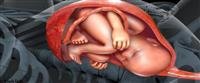
A hysterectomy is a surgical procedure to remove a woman’s uterus. The uterus is also known as the womb. The uterus is located in the abdomen and is where a fetus grows during pregnancy. The uterine lining is the source of menstrual blood.
Women may need a hysterectomy for many reasons. It can be used to treat a number of chronic pain conditions, as well as certain types of cancer and infection.
Depending on your reasons for having a hysterectomy, the extent of the surgery will vary. Your doctor may recommend removing the cervix (the lower part of the uterus) and the ovaries (organs that produce estrogen and other hormones) as well.
Once you have had a hysterectomy, you will stop having periods. You will also be unable to carry a pregnancy. If your ovaries are removed, you may also go into menopause.
According to the National Institutes of Health, one in three American women will have a hysterectomy by age 60. (MedlinePlus)
Reasons for Having a Hysterectomy
There are many reasons why a doctor may suggest a hysterectomy. They include
fibroids: benign tumors that grow in the uterus
endometriosis: a condition in which the inner lining of the uterus grows in the abdomen, causing pain and bleeding
uterine prolapse: when the uterus s through the cervix and protrudes from the vagina
cancer of the uterus, cervix, or ovaries
uncontrollable vaginal bleeding
chronic pelvic pain
adenomyosis: when the inner lining of the uterus grows into the middle layer
pelvic inflammatory disease: a serious infection of the reproductive organs
Alternatives to Hysterectomy
According to the U.S. Department of Health and Human Services, a hysterectomy is the second most common surgical procedure performed on women in the United States. The most common is a Caesarian section. (WomensHealth.gov)
Hysterectomy is considered a safe surgery. It is effective in reducing or eliminating pelvic pain and vaginal bleeding.
Hysterectomy may not be the best option for all women. It should not be used for women who still want to have children, unless no other natives exist. Fortunately, many conditions that are treated with hysterectomy can also be treated in other ways. For example, hormone therapy can be used to treat endometriosis. Fibroids can be treated with other types of surgery that spare the
uterus.
In some circumstances, however, hysterectomy is clearly the best option. For instance, a hysterectomy may be necessary to treat uterine or cervical cancer.
Types of Hysterectomy
There are several different types of hysterectomy.
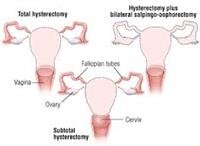
A partial hysterectomy removes only a portion of your uterus. Your doctor may leave the cervix intact.
A total hysterectomy removes the entire uterus, including the cervix. If your cervix is removed, you will no longer need to get an annual Pap test. You should, however, continue to have regular pelvic examinations.
A hysterectomy and salpingo-oophorectomy involves removing the uterus along with one or both of your ovaries and Fallopian tubes. If both of your ovaries are removed, you will enter menopause. You may need hormone replacement therapy.
How Is a Hysterectomy Performed?
Hysterectomies can be performed in several ways. All methods require a general or regional anesthetic. A general anesthetic will put you to sleep so that you don’t feel pain. A regional anesthetic will make your body feel numb below the waistline; however, you will remain conscious. Sometimes, this type of anesthetic is combined with a sedative. This helps you feel sleepy and relaxed during surgery.
Abdominal Hysterectomy
The uterus is removed through an incision (cut) in the abdomen. The incision may be vertical (up and down) or horizontal (side to side). A horizontal incision is also called a bikini incision. Both types of incisions tend to heal well and leave little scaring.
How Is a Hysterectomy Performed?
Hysterectomies can be performed in several ways. All methods require a general or regional anesthetic. A general anesthetic will put you to sleep so that you don’t feel pain. A regional anesthetic will make your body feel numb below the waistline; however, you will remain conscious. Sometimes, this type of anesthetic is combined with a sedative. This helps you feel sleepy and relaxed during surgery.
Abdominal Hysterectomy
The uterus is removed through an incision (cut) in the abdomen. The incision may be vertical (up and down) or horizontal (side to side). A horizontal incision is also called a bikini incision. Both types of incisions tend to heal well and leave little scaring.
Aftercare for a Hysterectomy
After your hysterectomy, you will be taken to a recovery room. The staff there will monitor your vital signs and give you medication for pain. After a brief period of observation, you will be taken to your hospital room. You will probably spend two to five days in the hospital. However, you will be up and walking the day after surgery.
If you’ve had a vaginal hysterectomy, your vagina will be packed with gauze to control bleeding. The doctors will remove the gauze in a few days. After that, you can expect to have bloody or brownish drainage from your vagina for about ten days. Wearing a menstrual pad can help protect your clothing.
When you return home from the hospital, continue to take frequent walks around the house. However, you should avoid any strain for four to six weeks.