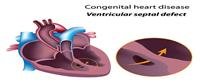

"Congenital heart defect" is another way of saying your heart had a problem in its structure when you were born. You may have a small hole in your heart or something more severe. Although these can be very serious conditions, many can be treated with surgery.
In some cases, doctors can find these problems during pregnancy. You might not get symptoms until adulthood, or you might not get any at all.
Causes
Doctors don’t always know why a baby has a congenital heart defect. They tend to run in families. Things that make them more likely include:
Problems with genes or chromosomes in the child, such as Down syndrome
Taking certain medications or alcohol or drug abuse during pregnancy
A viral infection, such as rubella (German measles) in the mother during the first trimester of pregnancy
Types
Most congenital heart problems are structural issues such as holes and leaky valves. For instance:
Heart valve defects. A valve may be too narrow or completely closed so blood has a hard time getting through or can’t get through at all. A valve might not close properly, so the blood leaks backwards.
Problems with the heart’s "walls," such as those between the chambers (atria and ventricles) of the heart. Holes or passageways between the left and right side of the heart might cause the blood to mix together when it shouldn’t.
Issues with the heart’s muscle, which can lead to heart failure.
Bad connections among certain blood vessels. In babies, this may let blood that should go to the lungs to get oxygen go to other parts of the body instead or vice versa. These defects can lead to heart failure, which means the heart doesn’t pump as efficiently as it should.
Symptoms
It is possible for you to have a heart-related birth defect and not have symptoms at all. If you do, they can include:
Shortness of breath
Problems with exercise
The symptoms of congenital heart disease in infants and children may include
A bluish tint to the skin, fingernails, and lips (doctors call this cyanosis)
Fast breathing and poor feeding
Poor weight gain
Getting a lot of lung infections
Not being able to exercise
Diagnosis
Doctors may find some problems before a baby is born. Other problems may be found in infants, kids, or adults. The doctor listens to your heartbeat to check your health. If she hears an unusual sound or heart murmur, she might order more tests such as the following:
Echocardiogram, which is a type of ultrasound that takes pictures of your heart. There are different kinds, so ask your doctor what you can expect.
Cardiac catheterization in which a doctor guides a very thin, flexible tube (called a catheter) through a blood vessel in your arm or leg to reach your heart. The doctor injects dye through the catheter and then uses X-ray videos to see inside your heart.
Chest X-ray
Electrocardiogram (ECG or EKG), which measures the heart’s electrical activity
MRI which is a scan that lets doctors see the heart’s structure
Treatment
Everyone is different. You might not need any treatment. Or you may need medications, surgery, or other procedures. If you have CHD, you’ll need to see a heart specialist on a regular basis for life.
People with congenital heart defects are more likely to have inflammation of the inner layer of their heart (a condition doctors call endocarditis), especially if their heart was repaired or replaced through surgery.
To protect yourself
Tell all doctors and dentists you have congenital heart disease. You may want to carry a card with this information.
Call your doctor if you have symptoms of an infection (sore throat, general body aches, fever).
Take good care of your teeth and gums to prevent infections. See your dentist for regular visits.
Take antibiotics before you have any medical work that may cause bleeding such as dental work and most surgeries. Check with your doctor about the type and amount of antibiotics that you should take.