
treatment
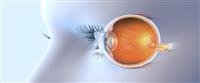
The retina: It is the inner layer of the eye that works to convert light rays into nerve impulses that are transmitted through the optic nerve to the centers of the brain. The retina is affected by many diseases, including diabetes, high blood pressure and high cholesterol. Diabetes has many effects and complications on the eye, which may cause poor eyesight, and sometimes vision loss. Among these effects is the so-called diabetic retinopathy, and it occurs as a result of damage to the retinal vascular wall, causing infiltration and bleeding inside the eye, and the continued occurrence of such infiltration leads to damage to the visual center of the retina, and in advanced stages of diabetic retinopathy blood vessels are formed Abnormalities on the surface of the retina, these blood vessels are weak and prone to severe bleeding and loss of vision.
As for the symptoms of diabetic retinopathy, there are often no symptoms at the beginning, and there may be no change in the strength of vision until the disease reaches an advanced stage, after which the patient begins to feel a weak vision, when the infiltration begins to damage the center of vision in the retina, and a sudden loss may occur. In vision as a result of acute hemorrhage in the retina and the vitreous, retinal disease can be detected early before the occurrence of retinal damage by examining the diabetic patient periodically by an ophthalmologist specializing in the treatment of retinal diseases To make sure that there are no changes in the retina of the eye, and this examination requires placing a to expand the fundus of the eye to examine the retina and other effects also include the affliction of diabetic patients with what is called (white water), which is the opacity of the lens that leads to weak vision, and it does not end at this point, patients are Diabetes is also prone to developing glaucoma, or high intraocular pressure, which causes damage to the optic nerve.
As for the treatment of retinal changes caused by diabetes, it can be treated by a doctor who specializes in treating retinal diseases, and the treatment method depends on the stage of the disease. Laser (cold lasers), where it is directed by a lens and a special device to the places of infiltration and cauterization, and abnormal blood vessels that lead to bleeding can also be treated by laser beams (hot lasers).
As for advanced cases, such as complete bleeding or retinal detachment, as a result of the formation of fibers on the retina, they are treated surgically and are considered a complex and advanced surgery that requires medical expertise and advanced technology.
The diabetic must maintain the blood sugar level close to the normal level under the supervision of the doctor, which is the only and ideal way to prevent complications from diabetes, as well as by periodic examination of the retina and eye pressure to ensure its safety and early treatment if necessary. Normal blood pressure and cholesterol alleviate complications of retinopathy.