Are you looking for the most important details about the vitreous fluid of the eye? Do not worry, we collected it for you in the following article, continue reading and getting to know it.
What is the vitreous humor known as the vitreous humor of the eye? And what is his job? More information you will find in the following:
The vitreous fluid of the eye
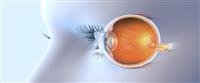
The vitreous fluid forms the largest part of the eyeball in the inner part called the vitreous chamber. It is a transparent, gel-like substance consisting of water and a little collagen, salt, and sugar. This fluid is immobile, has no blood vessels, and is not regenerated.
The vitreous of the eye occupies the space behind the lens and in front of the retina at the back of the eye, so this fluid must be clear enough for light to pass through easily, and the vitreous allows oxygen and nutrients to pass from the front of the eye to the back of the eye, while the antioxidants in it help Protects the lens from cataracts.
With age, the vitreous fluid of the eye diminishes and may lead to a condition called posterior vitreous detachment, as the vitreous body separates from the retina, and the condition may require surgical intervention to prevent permanent vision loss.
The function of the vitreous fluid of the eye
The vitreous of the eye performs several important functions including
1. Maintain the shape of the eye
One of the most important functions of the vitreous is to maintain the shape of the eye and give it its spherical shape. When the vitreous chamber is properly filled, the vitreous remains attached to the retina, the light-sensitive tissue that lines the back of the eye.
2. Keeping the center of the eye clear
In addition to maintaining the shape of the eye, the vitreous fluid works to keep the center of the eye clear, as for vision to be sharp, external light must shine through the eye and focus directly on the central part of the retina, which is called the macula.
Because the vitreous is clear and watery, light is more easily directed where it needs to be in order to provide good vision.
3. The ability to absorb shock
One of the most important functions of the vitreous fluid of the eye is to reduce any shock or disturbance that may affect the eye, for example when a person shakes his head or moves it quickly, the vitreous fluid absorbs the shock from those movements, and it also absorbs shocks resulting from physical activities, such as: running or when a person is injured With a head injury.
Therefore, the vitreous fluid has the ability to reduce trauma and disturbances within the eye, which in turn helps prevent eye damage.
Medical conditions affecting the vitreous fluid of the eye
With age, natural changes occur in the vitreous fluid, and these changes may lead to various age-related eye problems. These conditions may range from mild to severe, including:
1. Vitreous degeneration
Vitreous degeneration is known as vitreous synergism, and it is a condition in which the vitreous fluid of the eye weakens, as the vitreous fluid is by nature thick and gel-like, which makes it fill the vitreous chamber, but with age, this gelatinous substance begins to thin and liquefy, which makes it difficult for the vitreous body to fill the specified space inside the eye.
Vitreous degeneration may cause vitreous sagging and retinal detachment, leading to posterior vitreous detachment.
2. Posterior vitreous detachment
Posterior vitreous detachment occurs when the vitreous fluid begins to separate away from the connective tissue that connects it to the retina. This is caused by vitreous degeneration. Because the vitreous fluid separates from the connective tissue, it is common for vitreous floaters to appear, which may affect vision.
Although vitreous detachment is not dangerous, it may develop into a more serious condition, including: retinal tear or retinal detachment.
3. Retinal tear and detachment
It is possible for parts of the retina to rupture with the vitreous fluid when it separates, which leads to a tear in the retina, and the rupture may lead to retinal detachment, and the separation occurs when the retina moves away from the back of the eye, and this condition is dangerous and threatens sight, so it requires surgery to repair it.
4. Vitreous hemorrhage
There are many blood vessels surrounding the vitreous. In certain conditions, such as: diabetic retinopathy or sickle cell anemia, abnormal blood vessels grow in the vitreous cavity. These blood vessels may rupture and bleed into the vitreous fluid, which leads to vitreous hemorrhage.
Treatment of conditions related to the vitreous fluid of the eye
The doctor resorts to using a procedure called vitrectomy in the cases we mentioned earlier, as he drains the vitreous fluid from the eye and cleans the vitreous chamber. Once cleaned, the doctor replaces the vitreous fluid with saline solution.
This procedure is used in the event that the patient is at risk of vision loss, as vitrectomy repairs the damage in the vitreous fluid and restores clear vision to the patient.
When should you consult a doctor?
It is important to consult an ophthalmologist when the following symptoms appear
Increased floaters in the eye.
Flashes of light appear in the eye.
Dark shadow on either side of the vision.
Blurry vision.