the most important information about it
What is the phenomenon of white water in the eye? What information and details do you need to know about this disease? Here are the details below:
What is the white water in the eye?
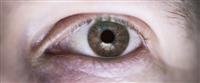
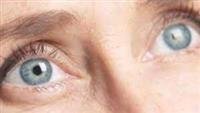
It is a condition in which the lens of the eye becomes cloudy rather than the transparent it should be.
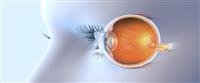
In its normal position, the lens of the eye is located behind the pupil, which is responsible for focusing and refracting light rays and accurately transferring them to the center of the retina.
Symptoms of white water in the eye
The condition of cataracts in the eye has many visible signs and symptoms, the most important of which are:
Rapid change in the measurement of eyeglass lenses. In the early stages, the patient notices that he needs to change his glasses more often than usual, and sometimes within only a few months.
A feeling of lack of light or that the colors are somewhat dim.
Dazzling, especially when exposed to strong sunlight or while driving at night.
Increased blurring of vision, which is felt even when the glasses are d and fitted.
The patient feels that he sees through a white curtain or glass.
Seeing halos around lights.
Double vision in one eye.
Causes of white water in the eye
There are many causes and factors that contribute to the appearance of white water in the eye, and these are the most important:
1. Getting old
The lens of the eye begins to cloud and blur gradually with age in all people, but the age group that is usually characterized by this cloudy is between the ages of 55-80 years.
Turbidity is the most common cause of cataracts in the eyes, and it is similar in principle to the graying process of hair on the head.
2. The presence of heredity factors and genes
Genetic and genetic factors in the family may cause cataracts to appear at an earlier age than expected, so cataracts form in the eye in the affected person.
There is a special type of cataract in the eye, which is known as congenital cataract, which arises from a genetic background or as a result of congenital diseases associated with a defect in the metabolism process.
3. Exposure to injuries and accidents
Trauma and injuries to the head and face area, especially direct blow to the eye, as may occur in traffic accidents and sports, may cause cataracts in the eye.
Also, exposure to radiation in the head and face area may increase the chances of developing cataracts in the eye.
4. Other factors
Some other factors may also contribute to increasing the chances of developing cataracts in the eye, such as:
Prolonged exposure to the sun.
Having some diseases, such as: diabetes, which leads to the formation of white water in the eye at a relatively early age.
Infections inside the eye, especially uveitis.
Long-term use of some medications, especially from the family of steroids.
Cataract treatment in the eye
Cataracts in the eye are often treated surgically. Here are the details in the following
1. When should cataract surgery be performed?
In the past, when surgery required a long recovery period and had complications, it was waited until the condition progressed so that vision was completely lost, and assessment of visual acuity was based on the ability to count fingers and sometimes just feel the light.
Today, in the era of modern surgery, it has become the norm to perform surgery at the moment when the cataract causes significant disruption in the performance of daily tasks, such as: driving, reading, or watching television.
This procedure is especially urgent when there is no possibility of correcting vision with glasses, that is:
The visual acuity is 6/6 and above with distortion.
Vision becomes double and shadows appear around the image.
The presence of dazzle when driving at night to the extent that it negatively affects the functional performance of an effective person.
All of the above are reasons that justify the surgical procedure.
2. Should I wait until the condition is in the later stages?
The answer is no, here''s the explanation
Cataract surgery in the eye is performed today in the outpatient clinics without the need to stay in the hospital and under local anesthesia with a small incision, with a success rate of about 95% and a quick recovery.
On the other hand, modern surgery, called phacoemulsification, requires conditions that are sometimes not available in late cases of cataracts in the eye, in terms of the hardness of the lens, and the strength of the ligaments that hold it.
Surgery for late cataracts often requires a larger incision and stitches, and it has many complications and complications, and recovery takes longer.
This is especially true when the eye is affected by other diseases, such as: glaucoma, diabetes, turbidity of the cornea, and difficulty in dilating the pupil of the eye.