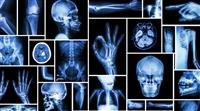

The most accurate way to evaluate bone density is with dual-energy x-ray absorptiometry (DXA). DXA is necessary when screening for or diagnosing osteopenia (reduced bone density) or its progression to osteoporosis. DXA is also used to predict a person''s risk of fracture and can be useful for monitoring the response to treatment as well. This test is quick and painless and involves very little radiation.
In this test, x-rays are used to examine bone density at the lower spine, hip, wrist, or entire body. Measurements of bone density are very accurate at these sites. When screening people for osteoporosis, doctors prefer taking measurements of the lower spine and hip. To help differentiate osteoporosis (the most common cause of an abnormal DXA scan result) from other bone disorders, doctors may need to consider the person''s symptoms, medical conditions, medications, and certain blood or urine test results as well as the DXA results.