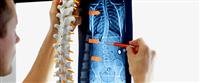

Back pain is very common and often surgery is unable to relieve it. Find out what''s causing your back pain and whether surgery can help.
Back surgery can help relieve some causes of back pain, but it''s rarely necessary. Most back pain problems go away without any intervention within three months.
Low back pain is one of the most common illnesses noted by family doctors. Back treatments usually respond with nonsurgical treatments — such as anti-inflammatory medications, heat therapy and physical therapy.
Do I need back surgery?
Back surgery may be an option if conservative treatments are unsuccessful and the pain is persistent and disabling. Back surgery is often expected to relieve associated pain or numbness in one or both arms or legs.
These symptoms are often caused by pinched nerves in your spine. Nerves may become compressed for several reasons, including:
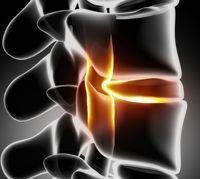
Disk problems. A bulging or ruptured disc — the soft spacers that separate the bones of your spine — can sometimes put too much pressure on a spinal nerve and affect its functioning.
Bone overgrowth. Osteoarthritis can result in bony spurs in your spine. These bony growths often affect the hinge joints in the back of your spine and can narrow the space through which nerves pass through the spinal openings.
It can be very difficult to determine the exact cause of your back pain, even if an X-ray shows that you have disc problems or bone spurs. X-rays taken for other reasons often detect a bulging or herniated disc, which do not cause symptoms and do not require treatment.
Types of back surgery
The different types of back surgery include
Discectomy. This involves removing the herniated portion of the disc to relieve nerve irritation and inflammation. A discectomy usually involves the complete or partial removal of the back portion of the vertebra (lamina) to gain access to the ruptured disc.
Laminectomy. This operation involves removing the bone above the spinal canal. It enlarges the spinal canal and is performed to relieve nerve pressure caused by spinal stenosis.
merging. A spinal fusion is always connected to two or more bones in your spine. Pain can be relieved by increasing the stability and stability of the fracture in the spine. It is usually used to eliminate painful movement between the vertebrae that can lead to an atrophic or abnormal disc.
industrial discs. Implantation of artificial discs is an native treatment for fusion of the vertebrae in cases of painful movement between two vertebrae due to a degenerated or injured disc. However, these relatively modern devices are not a viable option for most people.
Think of all the options
Before you agree to have back surgery, consider getting a second opinion from a qualified spine specialist. Spine surgeons may have different options about when to operate, what type of surgery will be performed and whether surgery — for some spinal conditions — is guaranteed. Back and leg pain can become a complex problem that requires diagnosis and treatment by a team of medical professionals.