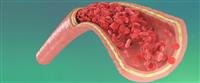

therapeutic cardiac catheterization
Have you ever wondered what is the difference between diagnostic and therapeutic cardiac catheterization? Here is this article to answer this question.
There are two types of cardiac catheterization, diagnostic and therapeutic. In this article, we will talk about the difference between them and their uses:
The difference between diagnostic and therapeutic cardiac catheterization
We will mention in the table below the difference between diagnostic and therapeutic cardiac catheterization:
nature of comparison
Diagnostic cardiac catheterization
Therapeutic cardiac catheterization
What is done during the catheterization?
Check for abnormalities in the coronary artery, valve, or aorta
Assessment of myocardial health and function
Determine whether the patient needs a therapeutic intervention or a coronary artery bypass operation
Locate narrowed or blocked blood vessels that may be the cause of chest pain
Measuring the level of pressure and oxygen in the different parts of the heart.
Check the pumping function of the heart
Take a biopsy of heart tissue
Diagnosis of congenital heart defects
Diagnosis of heart valve problems
Some therapeutic interventions may be performed either during the diagnostic catheterization procedure or as a separate operation afterwards, and these interventions include:
Catheterization: Where the tip of the catheter has a small balloon, and when this balloon is inflated, it pushes the accumulations in the artery out and improves blood flow to the artery.
Repairing congenital heart defects: such as a hole in the heart where it closes or stopping leakage in a defective valve
Stent placement: Your doctor places a small mesh, called a stent, in the artery to help keep it open
Replacing or repairing malfunctioning heart valves and widening narrowed valves
Treatment of cardiac arrhythmias by cauterization
Closing off part of the heart causes blood to clot
Catheterization duration
The catheter itself takes only 30 minutes, but the anesthesia procedures before the catheterization and recovery after it extend the period to 5-9 hours, and maybe more.
Depending on the type of therapeutic procedure that takes place, but for a longer period of time than diagnostic catheterization, for example, valve replacement alone takes between 2-4 hours.
Catheter complications
A hole in the blood vessels, and the entry of air into the blood vessels, which is dangerous
An allergic reaction to the dye or kidney damage from it
Unexpected bleeding
blood clots
Angina pectoris
There is a bruise where the catheter was ed
Inflammation of the catheter ion site
Apoplexy
An electrical defect in the heart
Coronary artery blockage
In addition to the complications of diagnostic catheterization, there are other complications, depending on the therapeutic procedure that is performed, such as:
Failed to operate the installed valve
Failed to operate the stent that was installed
Causing damage to the artery in which the stent was installed
Recovery after diagnostic and therapeutic cardiac catheterization
These are some of the measures that will be taken to ensure a good recovery after either a diagnostic or therapeutic cardiac catheterization procedure:
Pressing the catheter ion site to stop the bleeding.
Keep the catheter ion site straight and do not get out of bed for a few hours.
Check your heartbeat and other vital signs, such as blood pressure, while you''re recovering.
Before you leave the hospital, the doctor will tell you some instructions that you must follow, such as:
Commitment to take prescribed medications.
Drink plenty of water to remove the dye from the body.
Urinating more than usual and this is normal, a urine catheter will often be installed to avoid getting out of bed.
Wait until the next day until you can resume your normal activities.
Diagnostic and therapeutic cardiac catheterization: general information
Here is some information related to diagnostic and therapeutic cardiac catheterization
Catheterization is used to diagnose and/or treat a variety of diseases of the heart and blood vessels. Diagnostic and therapeutic cardiac catheterizations are both performed by ing a catheter, which is a long thin tube, into one of the arteries or veins of the thigh, neck, or arm.
The catheter is directed through the blood vessels until it reaches the coronary arteries with the help of a special device that uses X-rays, as this device takes pictures of the coronary vessels, arteries, heart valves and chambers as well.
Dye is injected through the catheter and X-ray images show the dye as it flows through the heart''s chambers and major vessels. This shows where the arteries are blocked. This part of the procedure is called a coronary angiogram.
Diagnostic tests of the heart can be performed or some heart diseases can be treated, such as: coronary angioplasty, coronary angioplasty by catheterization.
The patient is awake during the cardiac catheterization procedure but relaxants are given, recovery from cardiac catheterization is rapid, and the risk of complications is low.