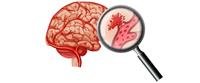

cause a stroke
What is carotid artery disease? What are its symptoms? What are the reasons that may make some people more susceptible to infection? And how this disease may cause a stroke? We will introduce you to what follows on Carotid Artery Disease or what is known as Carotid artery stenosis: What is carotid artery disease?
Carotid artery disease is a health problem that arises when there is a narrowing or blockage in the carotid arteries, and this narrowing results from the accumulation of plaques or plaque (Plaque) inside the carotid arteries. Plaque is a sticky substance made up of a mixture of fats and other substances.
Brain cells need to get enough oxygen without stopping to continue working in a normal way, but when the flow of oxygenated blood to the brain is reduced or interrupted for some reason, this may raise the chances of a stroke and the start of brain cell death.
Carotid artery disease may cause a cut off of the blood supply to the brain and a stroke in two ways, as follows:
The first method: the buildup of plaques inside the arteries, which may cause the arteries to narrow or completely block in a way that reduces or completely blocks blood flow to the brain.
The second method: the separation of part of the accumulated plaques or blood clots attached to the plaques from the wall of the artery and its transmission to settle inside one of the arteries of the brain, causing its blockage.
Carotid artery disease tends to develop slowly, and a stroke or transient ischemic attack (TIA - Transient ischemic attack) is one of the most prominent indicators of this disease.
Stroke is one of the leading causes of death in some countries. If a stroke does not cause death, it can leave the patient with permanent disabilities. It is possible to treat carotid artery disease through the use of medications and the adoption of a certain lifestyle, and in some cases the patient may need surgery.
What are the carotid arteries?
The carotid arteries are two arteries that extend on both sides of the left and right neck, and carry blood from the aorta in the chest to the brain. Normally, these arteries are supposed to carry oxygenated blood to specific parts of the brain.
The carotid arteries are the arteries responsible for supplying blood to the frontal regions of the brain, and the frontal regions of the brain are areas associated with things such as: thinking, speech, motor and sensory functions, and the distinctive personality traits of each individual.
Causes of carotid artery disease
The main cause of this disease is the accumulation of plaques inside the carotid arteries, and the plaques are masses made up of a mixture of calcium, cholesterol, and some tissue and cellular waste, and the scientific name for the process of accumulating plaques in the arteries is atherosclerosis.
When plaque builds up in the carotid arteries, this may cause them to harden and narrow or even become completely blocked, problems that may impair the ability of oxygenated blood to reach important areas of the brain.
risk factors
These are the most important factors that may increase the chances of developing carotid artery disease:
Having health problems in the circulatory system, such as: high cholesterol, high blood pressure, and heart failure.
Having other diseases and health problems, such as: metabolic syndrome, diabetes, obesity, and sleep apnea.
Follow a diet rich in fats and salts, or follow a diet low in fiber.
Other factors, such as: smoking, lack of movement, advanced age, heredity, previous exposure to a stroke, and stress.
Symptoms of carotid artery disease
These are the most prominent indicators that may appear in a person with carotid artery disease:
1. Bruit
A murmur is a strange sound that may be issued by the carotid arteries in the neck, and it can be monitored through the use of a stethoscope.
2. Transient ischemic attack
A transient ischemic attack is very similar to a stroke. Although a transient ischemic attack is less severe than a stroke, it also requires prompt medical attention. These are the main symptoms of an ischemic attack:
dizziness
Loss of balance.
A headache that may be sudden and severe with no apparent cause.
Stuttering or speech difficulties.
Vision problems.
Weakness or numbness in the face or extremities, often on one side of the body only.
Decreased ability to move limbs or decreased ability to move in general.
Symptoms of an ischemic attack usually resolve within 24 hours after the injury.
3. Stroke
The symptoms of a stroke may not differ from the symptoms of an ischemic attack, but a stroke can cause severe complications, such as permanent speech problems, paralysis, and death, so a stroke is a medical emergency.
Diagnosis of carotid artery disease
To diagnose the disease, these are the most important medical procedures that may be followed:
Listening to the sound from the carotid arteries using a stethoscope.
Carotid artery duplex scan.
Subjecting the patient to the following: magnetic resonance angiography, and angiography.
Treatment of carotid artery disease
The treatment methods used depend on the patient''s symptoms and whether or not the patient has had a stroke. These are the main treatment methods that can be followed:
Making some life changes, such as: quitting smoking, exercising, and following a diet rich in fiber.
The use of certain types of medicines, with the aim of: treating high blood pressure, treating high cholesterol, and resisting blood clots.
Undergoing some types of surgeries, such as: carotid endarterectomy, and carotid angioplasty.