symptoms
Hemorrhagic stroke is one of the serious conditions, all about hemorrhagic stroke in the following article.
In the following article, we will learn about what is a hemorrhagic stroke and its types
What is hemorrhagic stroke?
Stroke occurs in general due to the interruption of blood from a specific area in the brain, which leads to a decrease in oxygen reaching the brain and damage to its cells.
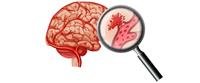
A hemorrhagic stroke is bleeding that occurs suddenly and interferes with brain function.
All types of hemorrhagic stroke constitute 20% of the types of strokes that afflict patients.
Types of hemorrhagic stroke
There are two types of hemorrhagic stroke, depending on the location and cause of its occurrence, and they are as follows:
1. Intracerebral hemorrhage
This type of hemorrhagic stroke is caused by a disruption of one of the blood vessels in the brain.
The chance of developing this type of hemorrhagic stroke increases in several cases, including the following:
Hypertensive patients, especially the elderly.
Alcohol, cocaine, and amphetamine addicts.
2. Subarachnoid hemorrhage
This type of hemorrhagic stroke occurs due to the interruption of one of the blood vessels surrounding the brain, which leads to a pool of blood in the area between the brain and the skull, and this blood mixes with cerebrospinal fluid, which leads to an increase in pressure in the brain, causing a severe headache, and after several Days of this bleeding damage brain cells.
The chance of infection with this type increases in several cases, including the following
A blow to the head.
Taking blood-thinning medications.
Congenital malformation of brain blood vessels (AVMs).
hemorrhagic disorders
Symptoms of hemorrhagic stroke
Symptoms of hemorrhagic stroke vary according to its type, but there are a group of common symptoms, as follows:
Sudden severe headache.
Vision impairment, inability to control the eyes.
inability to move
Numbness in the extremities.
electric charges.
Fatigue and vomiting.
Difficulty speaking, and difficulty responding to it.
Unconsciousness.
Is it possible to recover from a hemorrhagic stroke?
Yes, it can be cured, but the percentage of survivors is relatively small. A significant number of them die immediately after suffering a hemorrhagic stroke or upon arrival at the hospital. As for those who survive, they may suffer throughout their lives from several complications that may be cured in some cases.
The recovery rate depends on the amount of bleeding in the brain following a hemorrhagic stroke.
Hemorrhagic stroke treatment
The treatment of hemorrhagic stroke depends on the extent of the bleeding and the cause of it, as follows:
Medicines to treat high blood pressure, to lower blood pressure, as it is one of the most important causes of hemorrhagic stroke.
Diuretics, to lower cerebrospinal fluid pressure and reduce the volume of fluid that collects between the brain and skull.
Surgical intervention, to suction the blood pool inside the brain.
Complications of hemorrhagic stroke
A good number of hemorrhagic stroke survivors may have some of the following complications
Difficulty swallowing, speaking and thinking.
memory loss.
Loss of bladder control and involuntary urination.
Anemia, and blood clots.
the pain.
Emotional disturbances.
Prevention of hemorrhagic stroke
You should follow a set of the following tips to prevent a hemorrhagic stroke
Monitor your blood pressure and take your medications regularly, as 80% of people with hemorrhagic stroke had a history of high blood pressure.
Stop using drugs.
Follow a healthy lifestyle represented by exercise and diet.
If you are one of the patients who take warfarin as a blood thinner, keep visiting the doctor to make sure that your blood fluidity is at its normal levels.
Wear a helmet when riding a bike, and a seat belt when driving a car. To avoid and protect head injuries.