
A stroke may cause many complications, but does a stroke cause death? Here is the answer in this article.
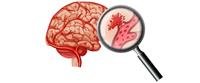
A stroke is defined as an interruption or decrease in blood supply to part of the brain, which leads to brain cells and tissues not receiving sufficient amounts of oxygen and nutrients, and thus may cause brain cells to die within minutes.
A stroke is a medical emergency that requires immediate medical intervention. Therefore, the usual question is: Does a stroke cause death?
Does stroke cause death?
You may be wondering, does a stroke cause death? The answer is that strokes are often a major cause of death, but it is worth noting that not all strokes are fatal.
The relationship between stroke and death depends on several factors, including how the person affected by the stroke is affected by the following:
Its location.
Her strength.
Quickly receive appropriate treatment when they occur.
The access of oxygen and other elements necessary for nutrition to the brain decreases, and thus brain tissues and cells begin to die within minutes, and if the interruption of oxygen continues for a long period, it leads to death.
Early immediate treatment is a way to save the injured person from death or serious complications.
The relationship between stroke during sleep and death
We previously explained the answer to the question: Does a stroke cause death? It is worth noting that the risk of a person dying increases when a stroke occurs during sleep, due to the patient’s inability to benefit from treatment early.
It is worth noting that it is not possible to determine the time of stroke when waking up, and thus this reduces the opportunity to benefit from medications that dissolve clots, which appear to be effective when taken within three hours of the occurrence of stroke symptoms.
Risk factors that may increase the incidence of stroke
Risk factors are related to your question: Does a stroke cause death? It is known that the chance of stroke and its complications increases if there are certain factors, as risk factors include the following:
Heart disease: Heart disease is one of the most important risk factors for stroke, and is the leading cause of death among stroke survivors.
Smoking: Smoking often doubles a person''s risk of stroke.
High blood pressure: High blood pressure above the normal limit leads to the destruction of the arteries supplying the brain, leading to a stroke.
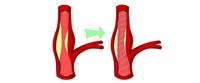
High cholesterol and fats: Fat accumulation contributes to increasing the risk of atherosclerosis, thus cutting off blood flow to the brain, leading to stroke.
Drug abuse: Abuse of dangerous drugs, such as cocaine, is linked to a higher risk of stroke and heart disease.
Other complications that may follow a stroke
After answering your question: Does a stroke cause death? Here are many other complications that may occur when a person suffers a stroke. These complications include the following:
Difficulty swallowing or difficulty speaking.
Difficulty using appropriate expressions.
Pain and numbness in the affected part of the body.
Difficulty thinking and memory loss.
Partial loss of movement due to muscle weakness or total paralysis.
Caring for a person with a stroke
Here are some prevention methods to avoid stroke complications and reduce the incidence of death caused by stroke:
Routinely perform cardiovascular examinations after a stroke, through continuous follow-up with the doctor.
Monitor the patient''s temperature and treat it when needed.
Preventing the occurrence of venous blood clots, through the use of treatments or preventive methods appropriate to the patient’s condition.
Move the patient and avoid keeping him in a sitting or sleeping position.
Finding solutions and treatments for nutritional problems that a stroke patient may face, such as: dysphagia.
Oral and dental care and regular follow-up examination of the injured person while he is in the hospital and afterward.
Stroke prevention
Because an ounce of prevention is worth a pound of cure, it is necessary to follow some practices and procedures that contribute to preventing the occurrence of a stroke, as these procedures include the following:
Maintain a healthy, balanced diet.
stop smoking.
Refrain from drinking alcohol or avoid consuming large amounts of it.
Maintaining a healthy and ideal weight.
Exercising continuously.