Have you learned that someone you care about had a stroke? Don't jump to conclusions about how it will affect him. Not all strokes are d equal. There are three major kinds, with different warning signs and symptoms.
All types have one thing in common: a loss of blood to part of your brain. That causes big problems.
Your brain cells need the oxygen that's carried by your blood. So when a stroke cuts the supply, some of the cells start to die. And that sets off trouble like memory loss, confusion, and numbness on one side your body.
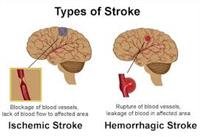
There are three main types of stroke
Ischemic
Hemorrhagic
Transient ischemic attack (TIA) or "mini-stroke"
If you have signs of any of them, call 911 right away. The sooner you get treated, the less likely you are to have long-term effects.
Ischemic Strokes
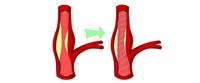
Most strokes are this type. You get them when a fatty substance called plaque collects in your arteries and narrows them. This is called atherosclerosis, and it slows the flow of blood. As it pools, blood can clump and form clots -- and your artery gets blocked.
Besides atherosclerosis, some other causes of ischemic stroke are
Irregular heartbeat
Heart attack
Problem with your heart's valves
Injury to blood vessels in your neck
Blood clotting problem
There are two types of ischemic stroke
Thrombotic strokes. They're caused by a blood clot that forms in an artery that supplies blood to your brain.
Embolic strokes. They happen when a clot forms somewhere else in your body and travels through the blood vessels to your brain. It gets stuck there and stops the flow of your blood.
The symptoms of an ischemic stroke depend on which parts of your brain are affected. They can include things like:
Sudden numbness or weakness of your face, arm, or leg, often on one side of the body
Confusion
Problems speaking or understanding others
Dizziness, loss of balance or coordination, trouble walking
Vision loss or double vision
You're more likely to have an ischemic stroke if you
Are over age 60
Have high blood pressure, heart disease, high cholesterol, or diabetes
Have an irregular heartbeat
Smoke
Have a family history of strokes
Sometimes you can get complications. A stroke damages your brain cells. The more that's done, the more problems you can have. That's why it's important to get medical help as soon as possible. If you don't get treatment, you can have trouble like:
Fluid buildup, swelling, and bleeding in your brain
Seizures
Problems with memory and understanding
Hemorrhagic Strokes
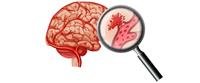
These happen when there is bleeding in your brain that damages nearby cells. It can be caused by an aneurysm, which is a weak area in a blood vessel, that breaks open.
Another cause of hemorrhagic strokes is something called an AVM (arteriovenous malformation). That's an abnormally formed blood vessel that opens up and bleeds.
Your doctor may tell you about two types of hemorrhagic stroke that are based on where the bleeding happens. If he says you had a "subarachnoid hemorrhage," it means it happened in the area between your brain and skull. But if he says it was an "intracerebral hemorrhage," your bleeding was inside the brain.
Hemorrhagic stroke symptoms start suddenly and are severe. Some things that can happen
Intense headache that some people describe as "the worst headache they've ever had"
Confusion
Nausea or throwing up
Sensitivity to light
Problems with vision
Passing out
You're more likely to have this type of stroke if you
Are over age 65
Have high cholesterol, high blood pressure, or diabetes that's not under control
Are obese
Had a stroke in the past
Have a family history of strokes
Smoke
Eat unhealthy foods
Don't exercise
A hemorrhagic stroke can cause complications like
Seizures
Memory and thinking problems
Heart problems
Swallowing problems and trouble eating and drinking
Transient Ischemic Attacks (TIAs)
This is a temporary blockage in blood flow to your brain. Sometimes your doctor may call it a "mini-stroke." The symptoms usually last for just a few minutes.
TIAs can happen because the vessels that bring blood to your brain narrow. They also might occur because of a clot.
The symptoms may be similar to an ischemic stroke. You might have
Numbness on one side of your body
Confusion
Dizziness or lose your balance
Trouble talking or understanding
Problems with your vision
Severe headache
TIA risks are the same as those for other strokes, including
Age
High blood pressure, high cholesterol, diabetes, and heart disease
Obesity
Smoking
Family history of strokes
A TIA can sometimes be a warning sign that you'll have an ischemic stroke in the near future.
Don't take any chances if you or someone you know has any symptoms that seem like a stroke. Get medical help in a hurry.