Numbness or weakness of the face, arm, or legs -- especially on just one side of the body
Slurred or unusual speech
Trouble seeing in one or both eyes
Trouble walking, dizziness, or balance problems
Sudden confusion
Severe headache
1. Note Time When Symptoms First Appeared
Tell emergency personnel the exact time when you first noticed symptoms.
Depending on the type of stroke, there is a medicine that may reduce long-term effects if given within four and a half hours of the first symptom appearing. Sooner is better.
If the person is diabetic, check the blood glucose (sugar) level. Treat low glucose with a glucose tablet, glass of orange juice or other sugary drink or food, or a glucagon injection (if the person is not able to swallow).
2. Follow Up
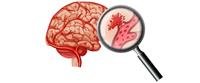
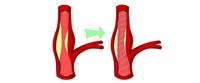
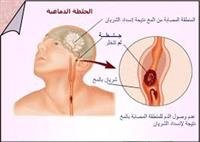
At the hospital, a doctor will examine the person and run tests to confirm the diagnosis and to see if the stroke was caused by clots or from bleeding in the brain. Tests may include an MRI or a CT scan.
Treatment may include medication, lifestyle changes, and possibly surgery.